
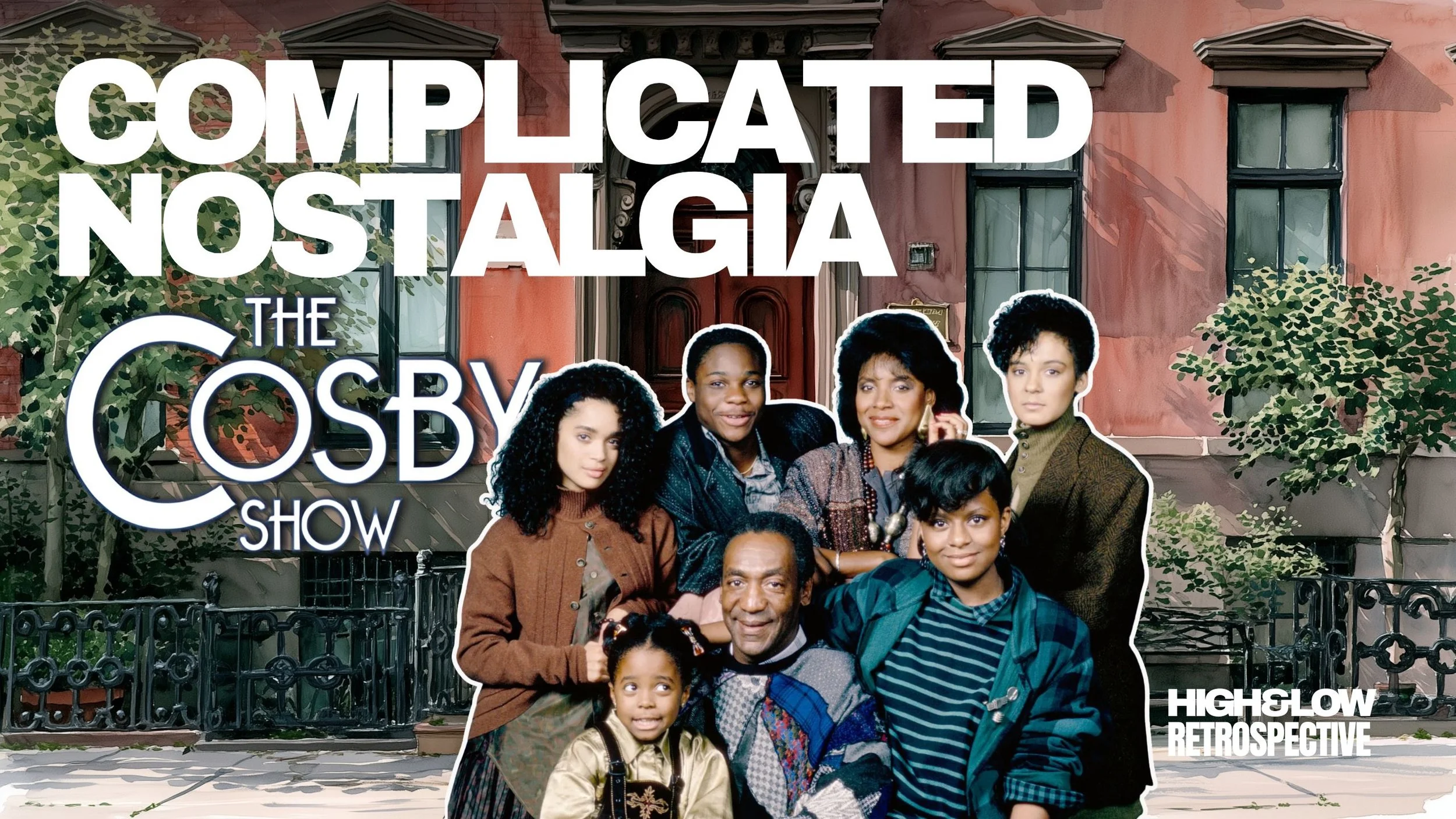
The Cosby Show wasn’t just a hit TV show—it was a cultural reset. Premiering in 1984, it redefined how Black family life was portrayed on television, introducing audiences to the Huxtables: educated, successful, and deeply relatable. It wasn’t about struggle—it was about joy, intelligence, and dignity.
But what happens when the man behind the legacy falls?
In this High and Low Retrospective, we rewind to examine The Cosby Show’s revolutionary impact and the long shadow cast by Bill Cosby’s downfall. From its groundbreaking portrayal of Black excellence through the performances of Phylicia Rashad, Malcolm Jamal-Warner, Lisa Bonet, Tempestt Bledsoe and Keshia Knight Pulliam to the devastating betrayal of its central figure, we explore how the show became both a symbol of progress and a case study in complicated nostalgia.
- How did The Cosby Show change the television landscape?
- What is the cost of tying a legacy to one man?
- Can we still separate the art from the artist?
This is a retrospective on race, representation, legacy, and loss.
Watch more High and Low Retrospectives:
A Different World: What Happened After Lisa Bonet Left https://youtu.be/Mc3Fqrr9b6Q
Cheers and the Third Space https://youtu.be/p9vsEoK5d-w
Fresh Prince of Bel-Air: Comedy, Catharsis, and Black Boy Joy https://youtu.be/TKliYqLuak0
Don’t forget to like, comment, and subscribe to High and Low Retrospective for deep dives into the shows that shaped generations.