
A Different World wasn’t just about Denise Huxtable going off to college. Under Debbie Allen’s direction, it transformed into a groundbreaking portrayal of life at a Historically Black College and University. The show tackled race, class, gender, colorism, AIDS, and apartheid—all while celebrating Black love, friendship, ambition, and the everyday beauty of HBCU life. In this High and Low Retrospective, we explore how A Different World reframed Black college life for primetime television and inspired an entire generation to view education—and themselves—differently.
Married With Children: TV’s First Anti-Sitcom →
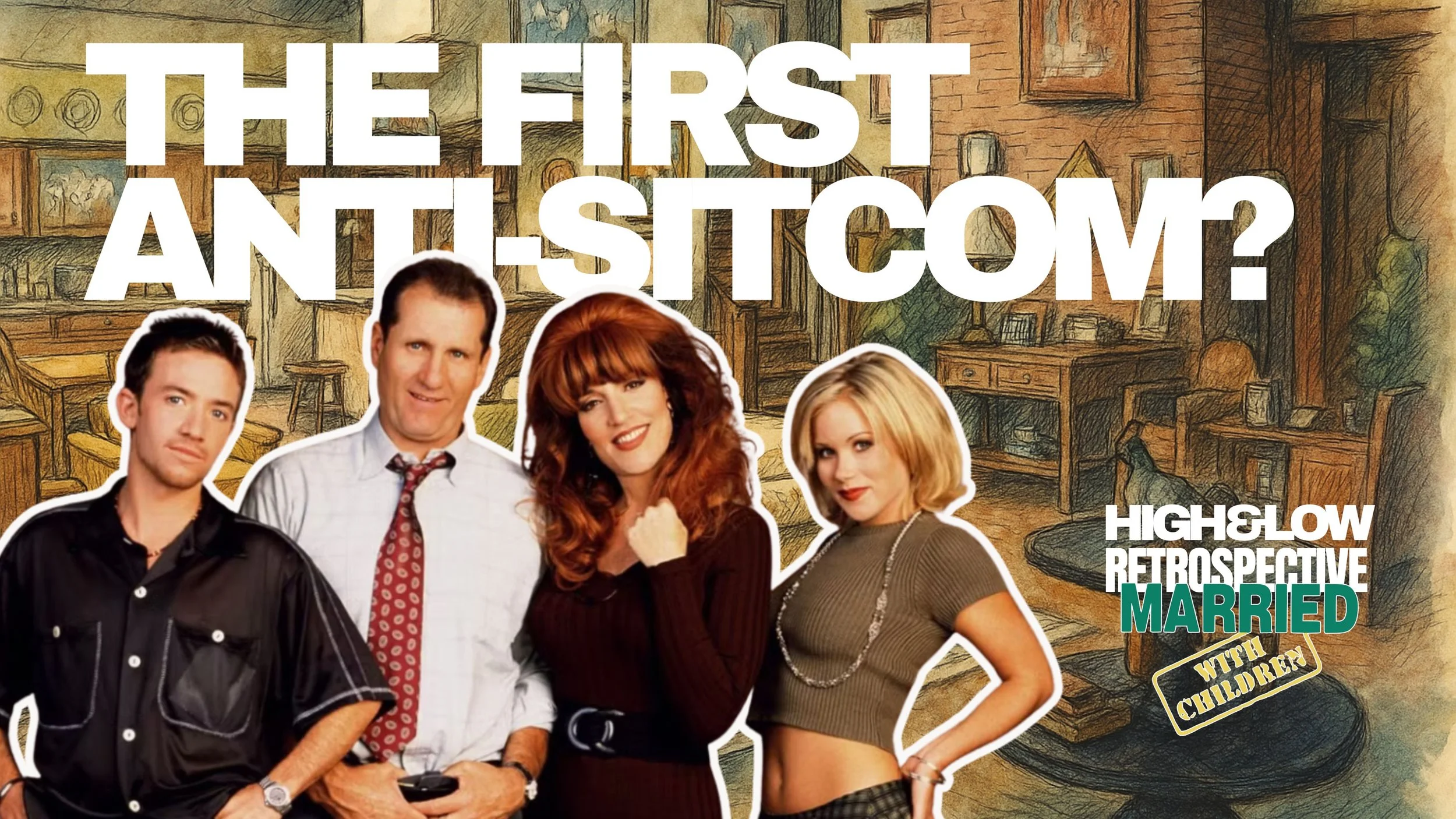
Before Family Guy. Before The Simpsons. Before South Park. There was Married... with Children—the show that blew up TV wholesomeness.
In this episode of High and Low Retrospective, we revisit the brutally funny, unapologetically cynical sitcom that redefined the American family. Premiering on Fox in 1987, it turned the classic sitcom inside out and gave us a dysfunctional family we couldn’t stop watching.
We explore its origins, the backlash, and how it helped build Fox’s empire. Was it sharp satire or shameless lowbrow comedy?
Join the conversation: Was Al Bundy a hero, a warning, or both?
Watch now and subscribe for more deep dives into the shows that shaped (and warped) our culture.
The Cosby Show and Complicated Nostalgia: Can You Separate the Art from the Artist? →
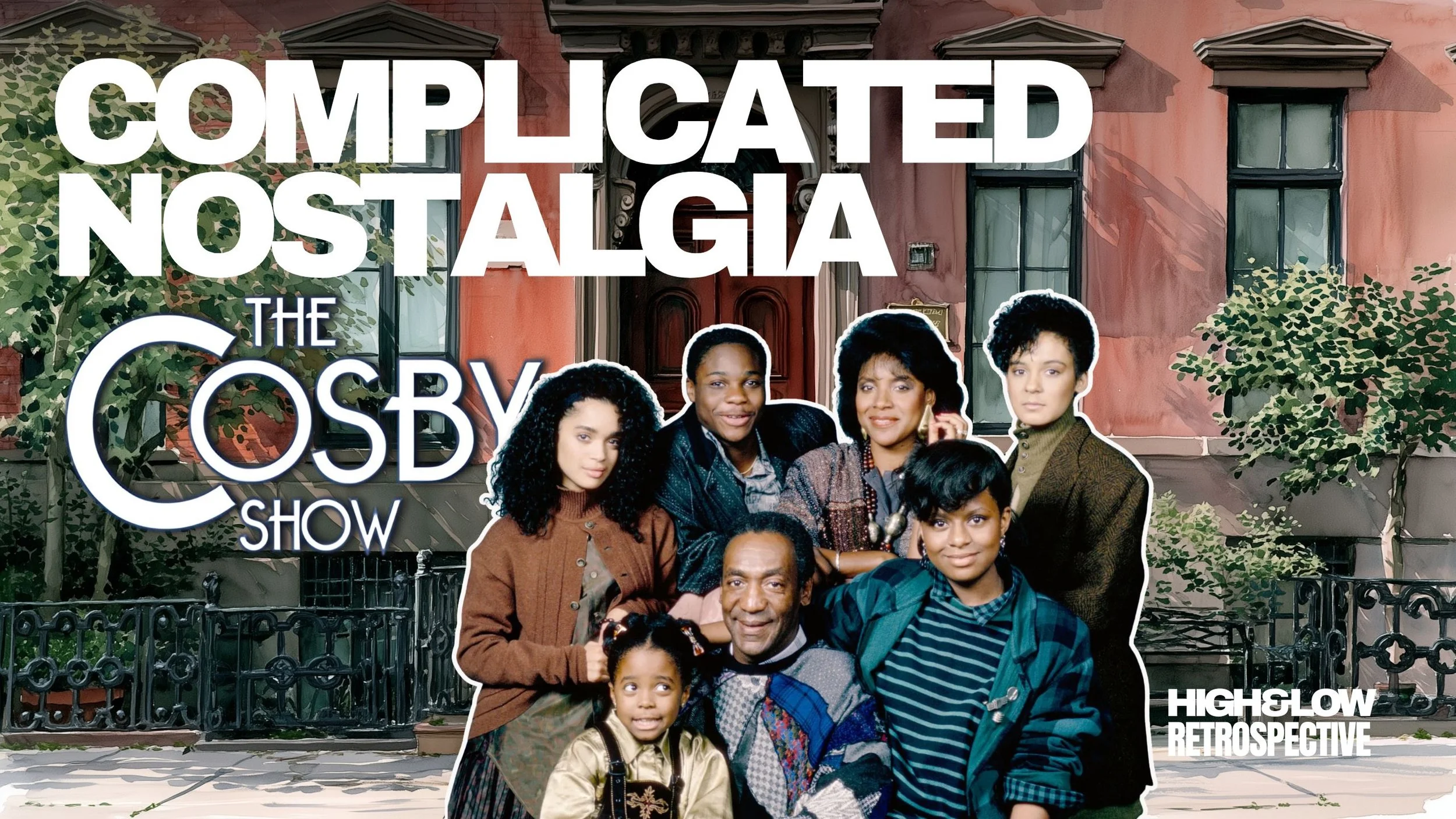
The Cosby Show wasn’t just a hit TV show—it was a cultural reset. Premiering in 1984, it redefined how Black family life was portrayed on television, introducing audiences to the Huxtables: educated, successful, and deeply relatable. It wasn’t about struggle—it was about joy, intelligence, and dignity.
But what happens when the man behind the legacy falls?
In this High and Low Retrospective, we rewind to examine The Cosby Show’s revolutionary impact and the long shadow cast by Bill Cosby’s downfall. From its groundbreaking portrayal of Black excellence through the performances of Phylicia Rashad, Malcolm Jamal-Warner, Lisa Bonet, Tempestt Bledsoe and Keshia Knight Pulliam to the devastating betrayal of its central figure, we explore how the show became both a symbol of progress and a case study in complicated nostalgia.