
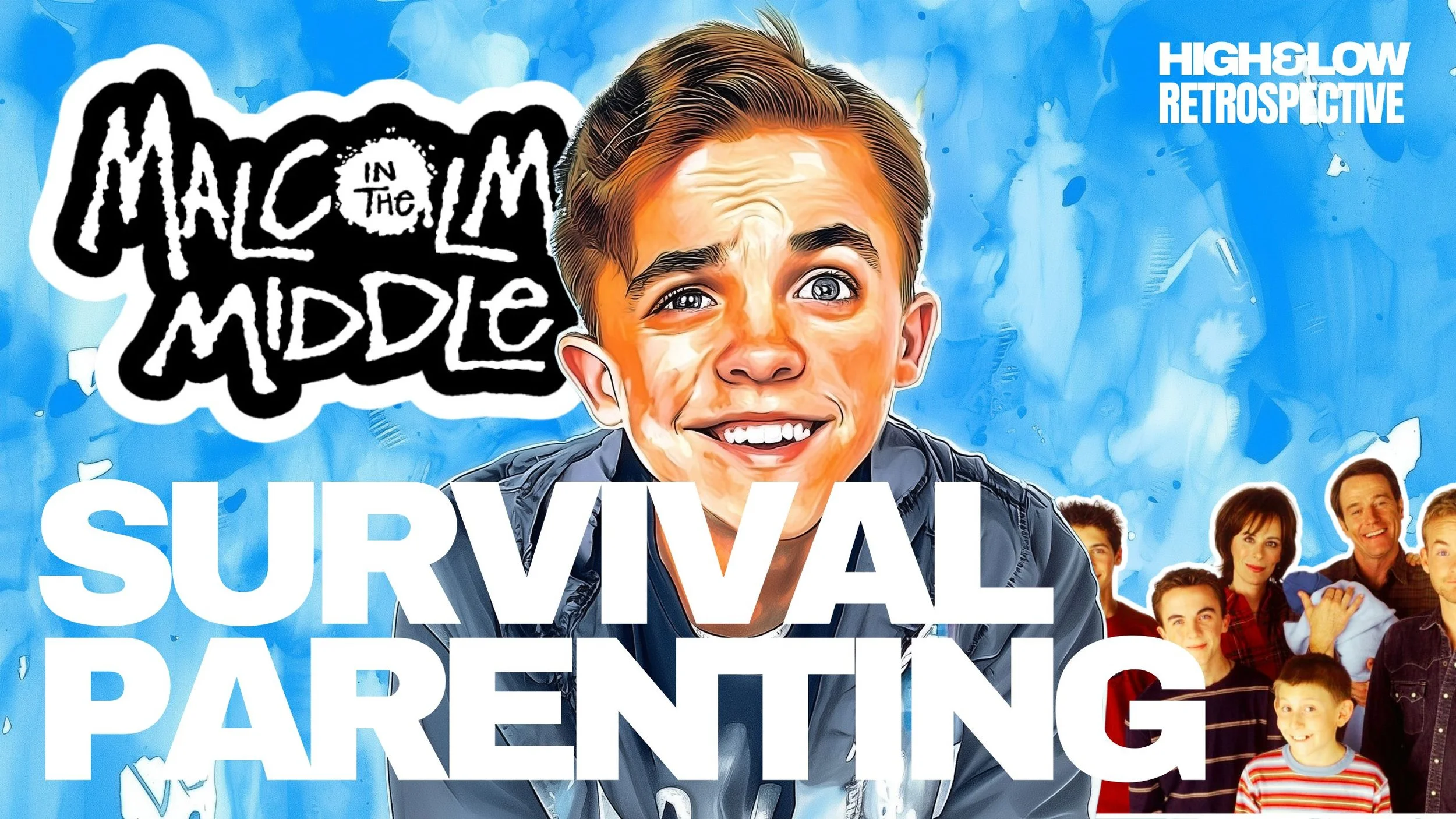
Before “gentle parenting” became a trending term, there was survival parenting. And no show captured it better than Malcolm in the Middle. From 2000 to 2006, Malcolm’s chaotic, hilarious, and painfully honest family flipped the sitcom formula upside down—ditching the laugh track, breaking the fourth wall, and showing us the messy reality of raising kids when there’s no time (or money) to be perfect. In this High and Low Retrospective, we revisit the brilliance of Malcolm in the Middle—how it blended sharp comedy with moments of real emotional truth, challenged the idealized image of the TV family, and influenced a new era of sitcoms. We’ll explore: - The origins of the show and why it broke every sitcom rule - Why Lois and Hal are two of TV’s most underrated parents - How “survival parenting” shaped the Millers’ world - Iconic episodes that still hold up today (yes, we’ll talk about the burnt lightbulb scene) - The legacy it left for modern TV comedies
Martin: The Funniest Show of the 90s? →
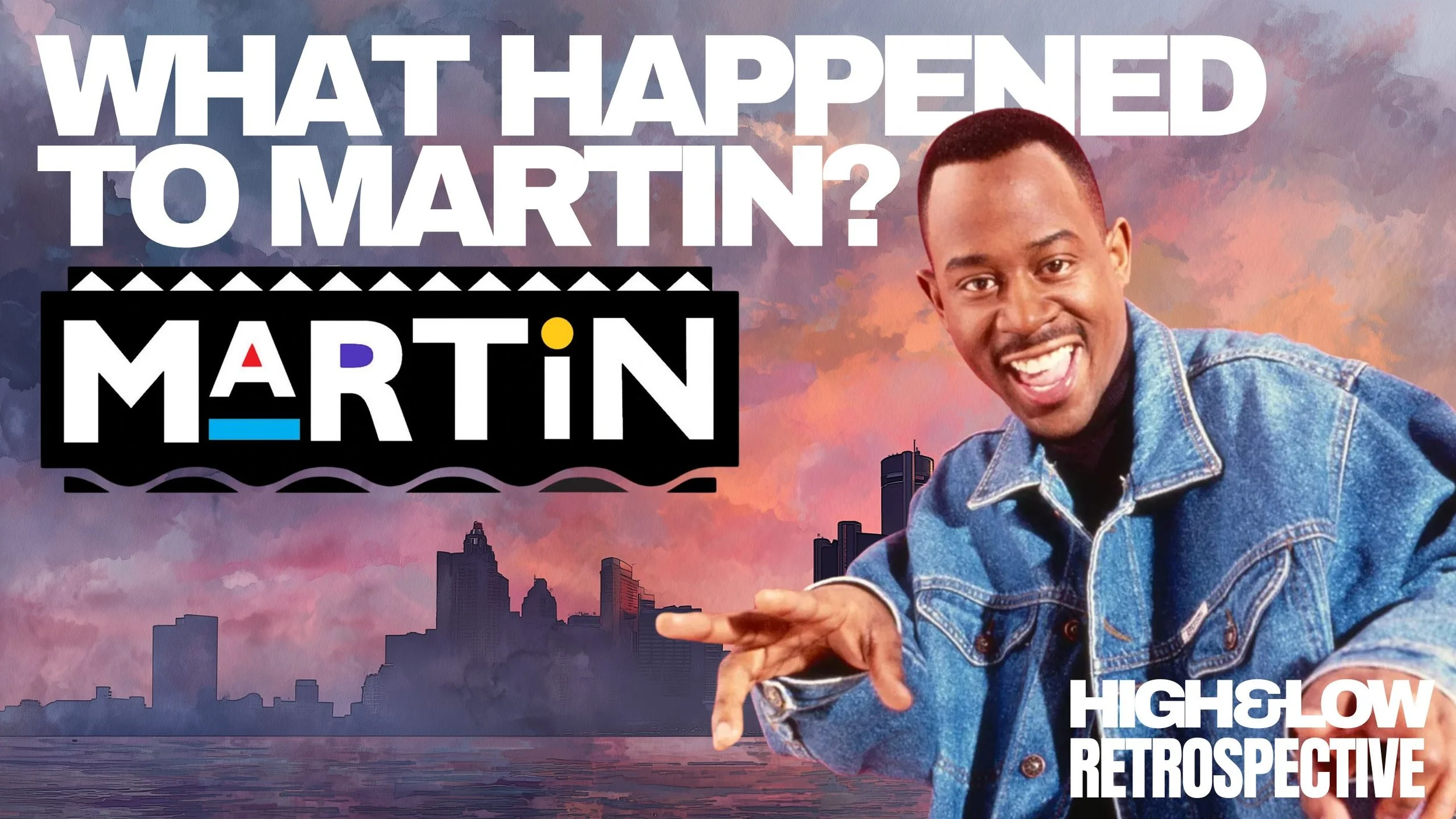
Martin wasn’t just a sitcom, it was a comedy revolution.
With unforgettable characters like Sheneneh, Otis, Jerome, and Dragonfly Jones, Martin Lawrence turned a prime-time show into a one-man variety showcase. Set in Detroit, Martin blended loud, raw, physical humor with real relationship tension—especially between Martin and Gina—and pushed Black sitcoms into unpredictable, unfiltered territory.
But behind the laughs was a story of creative genius, off-screen tension, and a show that burned bright before burning out.
In this episode, we dive into Martin's wild energy, cultural legacy, and the behind-the-scenes drama that changed the series forever.
Sex and the City: Female Freedom or Fairytale? →
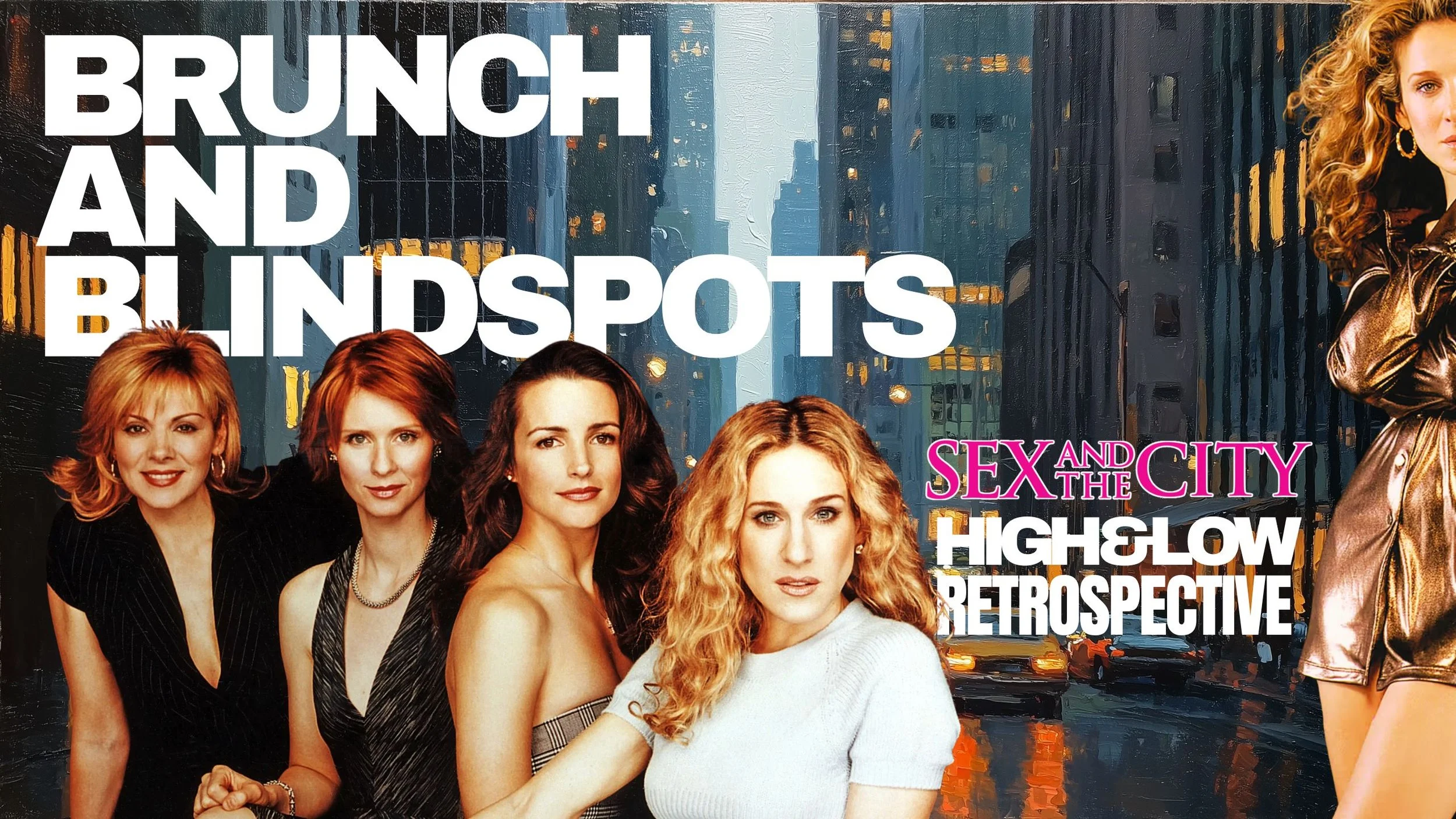
Sex and the City wasn’t just a show, it was a movement. But as time passed, so did the fantasy. In this High and Low Retrospective, we revisit the show that redefined what it meant to be single, successful, and unapologetically female in turn-of-the-millennium New York City. From designer shoes and brunch tables to taboo-breaking dialogue and friendship that felt like religion, Sex and the City gave us a glittering version of liberation. But was it empowerment or just an expensive illusion? We explore the cultural impact, the criticism, and the legacy of Carrie, Samantha, Miranda, and Charlotte, from the groundbreaking highs to the very narrow lens of who got to feel “free.” What happens when we rewatch the show that raised a generation of women and ask what it left out?